
Pet Product Photography: Sizing, Durability and Getting the Animal in Shot
July 1, 2026 · 8 min read · by Aashirvad Kumar
Your credits refresh every month for as long as ListingRVA AI exists. No renewals, no annual increases, nothing to cancel.
Available on select plans. No renewals, ever.
July 1, 2026 · 8 min read · by Aashirvad Kumar
Pet gear is sold on heart. An owner buys the bed, the toy or the collar because they can picture their dog or cat happy with it, and because the material looks like it will last. A bare packshot proves the shape but never the feeling. The photos are what earn the trust.
AI product photography gives you that feeling without staging a shoot or wrangling an animal on set. You photograph the product once, then generate a clean white-background hero, with-pet lifestyle scenes, material close-ups and styled home shots in minutes, on a tool that preserves your real product instead of inventing a look it does not have.
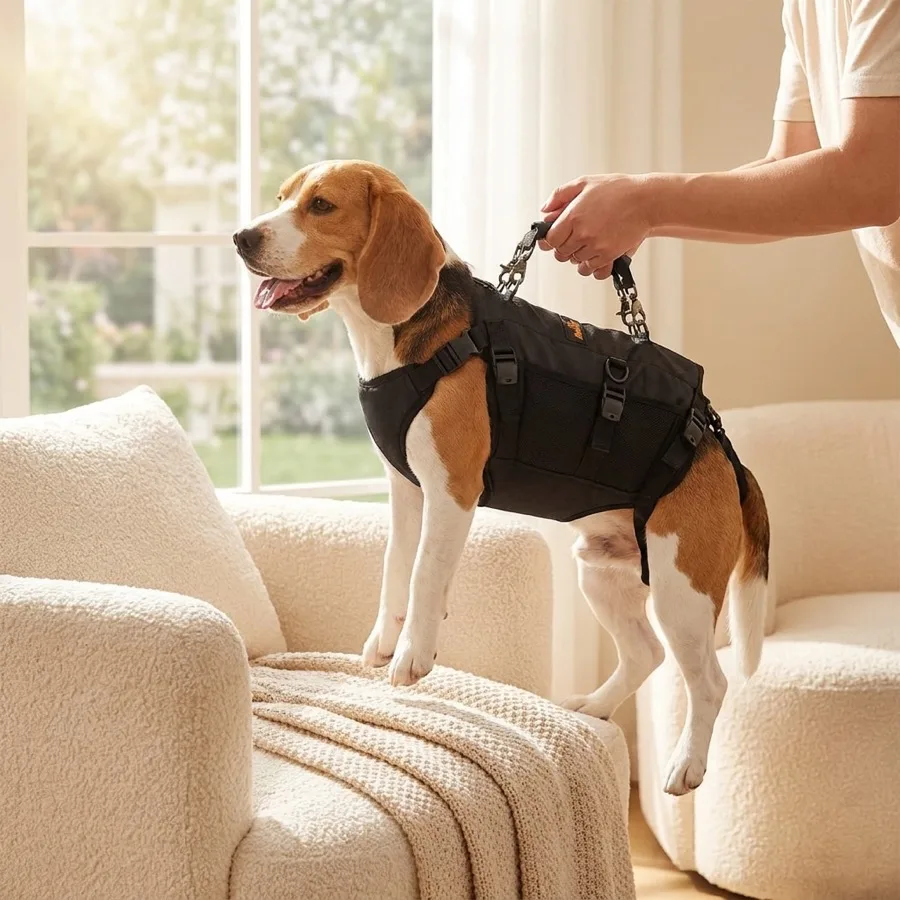
Two things make pet products their own problem. First, the animal. Getting a calm, on-brand dog or cat to pose with the product is slow, unpredictable and expensive, and a live-animal shoot rarely lands the exact frame you planned. Yet the with-pet shot is the one that sells, so most brands settle for a bare packshot and leave conversions on the table.
Second, material trust. Pet gear is bought on durability and comfort: the weave of the collar, the fill of the bed, the fabric of the toy. If the image flattens those, the product looks flimsy and returns climb when the real thing arrives. Good pet imagery keeps the material honest while making it look inviting. How large that effect is across categories is set out in the product image conversion statistics.
A strong pet listing is never one photo. It is a small set, each answering a different buyer question:
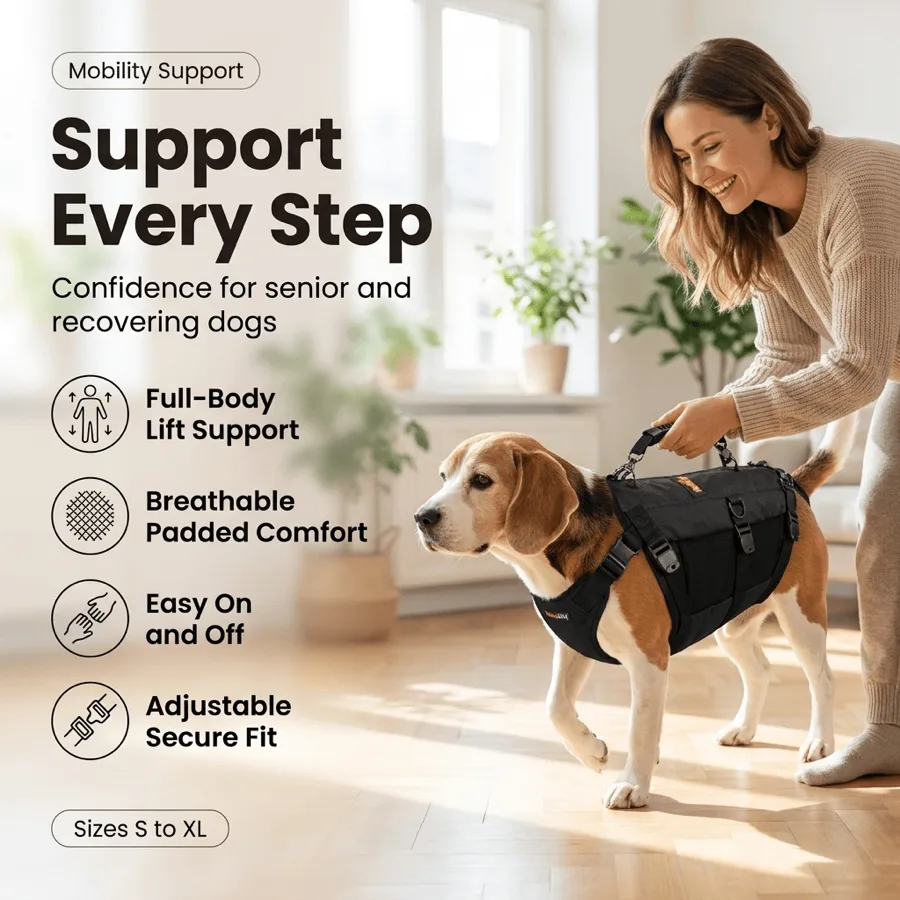
The traditional path to a pet catalog is painful: book a photographer, source props, arrange a cooperative animal and a handler, shoot it, then repeat for every size and every new SKU. For a brand with dozens of products in several sizes each, that is weeks of logistics and a five-figure budget before a single listing goes live. The Amazon image requirements guide covers the same ground for Amazon, where a wrong main image gets the listing suppressed outright.
The AI path starts from a single clear photo of each product. From there you generate the white-background hero, the with-pet lifestyle scene, the material crops and the size set, and you keep them consistent across the whole line. When you add a new size or color, you generate the variant rather than rebooking the shoot. See AI Product Photography Pricing for the plan math, or the full AI Product Photography Software feature set. See the full lineup on the AI pet product photography page.
The fastest way to earn returns is an image that oversells. Keep these in mind so the picture matches the product that arrives:
ListingRVA AI is built around this. It reads your real product, preserves the material and never invents on-image text, so the catalog stays true to what ships. You can publish the finished images straight to your channels through our ecommerce marketplace integrations. Stocking home goods too? See the home and kitchen page.
The with-pet lifestyle image is the one that sells, and it is also the one most likely to look fake if you are careless with AI. Shoppers have a sharp eye for an animal that is off, and an uncanny pet costs you trust faster than no pet at all. Keep the scene credible:
Done right, the with-pet shot is your highest-converting image. Done sloppily, it is the fastest way to look like a drop-shipper. The review step is not optional in this category.
Fit is the number-one return reason for collars, harnesses, apparel and beds, and it is almost always an expectations problem set by the images. An owner guesses their dog is a "medium", the bed arrives too small, and it comes back, even though the dimensions were in the text nobody read. Images fix what text cannot: a styled scene with a same-size pet, a clear size reference, or a simple scale cue in the frame tells the buyer at a glance whether it fits their animal. For any sized product, treat the scale shot as essential, it is cheaper to show fit than to eat a return and a one-star review over it. It also pays to keep a consistent scale reference across every size in the range, so a shopper comparing the small, medium, and large can actually see the difference between them at a glance instead of guessing from numbers, which is what turns a sized catalog into confident purchases rather than hesitant ones.
50 free credits, no credit card. White background, with-pet lifestyle and material styles included.
Start free →Yes. The AI reads your real product photo and preserves the exact weave, fill, fabric, size and color, then places the product on a clean background or a styled home scene. Your real product stays the hero, never a generic stand-in.
A clean white-background hero for the marketplace main image, a with-pet lifestyle scene that shows the product in a real home, a material and texture close-up, and a size or color set so buyers can judge the range before they buy.
Yes. Generate with-pet lifestyle scenes that place a happy, realistic dog, cat or small pet with the product in a real home, the shot that moves pet gear, without wrangling a live animal or hiring a handler.
A styled pet shoot with a photographer, props and an animal handler runs into the hundreds per SKU. AI brings the same set of images to a few dollars per SKU and minutes per product, with new sizes and colors generated on demand.
Yes. From bagged food and treats to toys, beds, bowls, collars and apparel, upload one photo per SKU and generate the full image set, white-background heroes, home scenes and with-pet lifestyle shots.
ListingRVA AI now works inside Claude. Connect your workspace and ask Claude to generate listing copy and publish product images to your store, without leaving your editor. See the Claude connector →
Comments
No comments yet, be the first.
Leave a comment