
Jewelry Product Photography: Macro Sparkle Without Blowing the Highlights
June 25, 2026 · 8 min read · by Aashirvad Kumar
Your credits refresh every month for as long as ListingRVA AI exists. No renewals, no annual increases, nothing to cancel.
Available on select plans. No renewals, ever.
June 25, 2026 · 8 min read · by Aashirvad Kumar
Jewelry is the single hardest category to photograph well. A pendant is smaller than a coin, a diamond has to show fire without blowing out to white, and a polished gold band acts like a tiny curved mirror that reflects the entire room, the lights and the photographer. Get any of it wrong and a fine piece looks cheap. Get it right and you have earned the price tag before the buyer reads a word.
That difficulty is exactly why specialist jewelry photographers are so expensive per piece, and why so many small jewelers ship listings with dull, grey, out-of-focus images. AI jewelry product photography closes that gap: you shoot one sharp macro source, then generate a luxury hero, a sparkle detail shot, an on-hand scale image and a clean white-background main image in minutes, on AI product photography that keeps your actual stone, setting and metal instead of inventing a different piece.
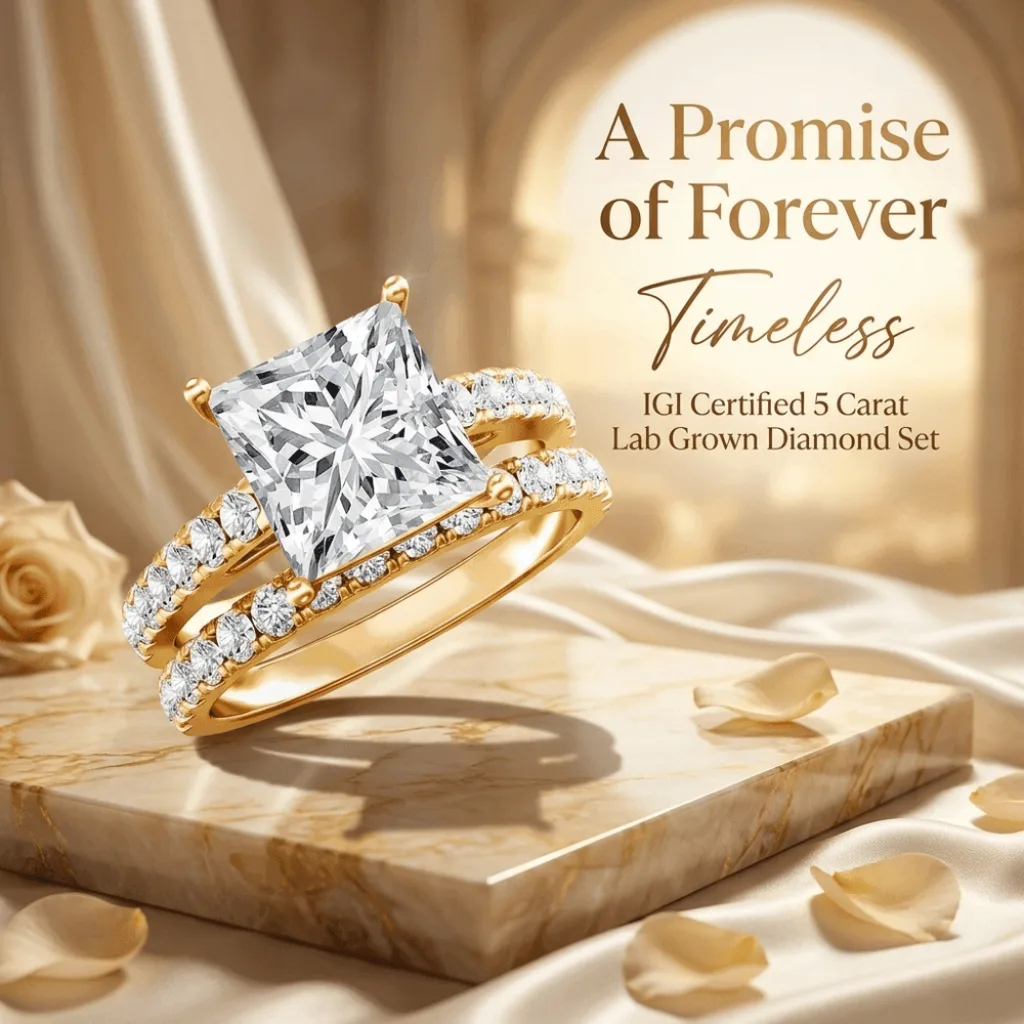
Four problems stack on top of each other, and a good jewelry image has to solve all of them in one frame:
Doing all four at once is real craft, and it is slow. A traditional jewelry shoot involves macro lenses, tents, focus stacking and heavy retouching, all repeated for every single SKU.
A strong jewelry listing is never one photo. It is a small set, each answering a different buyer question:
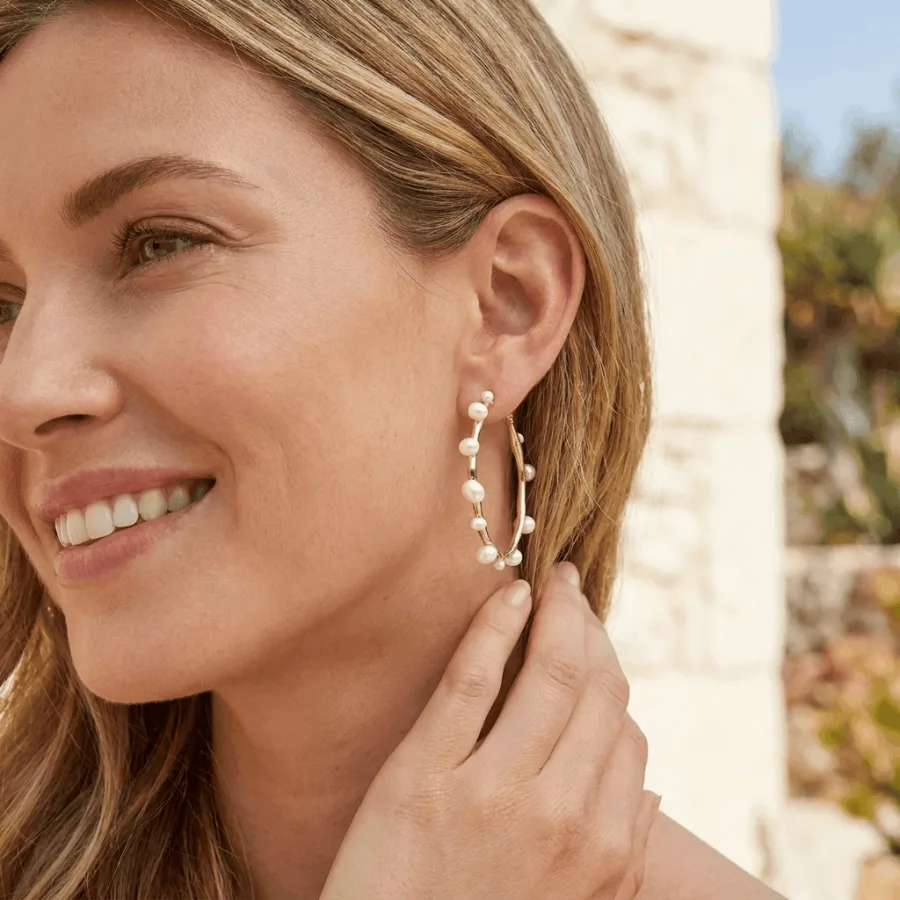
Of every image type, the scale shot is the one jewelers skip most often and regret most. A 2mm difference in a band width is invisible on a white sweep but obvious on a finger. A necklace that looks dramatic in macro can read as tiny once it sits on a collarbone. An on-hand or on-model image answers the question buyers ask before they buy a piece they cannot hold: how big is this, really, and how does it sit? AI can place your actual ring onto a clean, well-lit hand context or your necklace into an on-neck shot, so scale is honest without booking a hand model. If the argument needs evidence, the product image conversion statistics cover what actually shifts buyer behaviour.
This is the part that matters for fine jewelry. A buyer is paying for a specific stone, in a specific setting, in a specific metal. The image cannot quietly swap any of that out.
ListingRVA AI is built around this. It relights and re-stages your real piece and never fabricates on-image text, badges or numbers, so what the buyer sees is what ships.
Specialist jewelry photography is one of the most expensive shoots in product photography. The macro lighting, focus stacking and retouching that a clean diamond image needs mean a good photographer can charge well into the hundreds of dollars per piece, and every new style means booking it again. For a jeweler with dozens of SKUs across metals and stone sizes, that turns a single collection drop into a major expense. The equivalent rules on the other marketplace are collected in the Amazon image requirements guide, and they are not identical.
AI product photography brings the same set of images to a few dollars per piece and minutes per product, with unlimited variants when you add a new ring size, metal or stone. See AI Product Photography Pricing for the plan math, or the full AI Product Photography Software feature set.
50 free credits, no credit card. Luxury, macro detail and on-model styles included.
Jewelry is tiny, so it demands macro detail; gemstones need fire and sparkle without blowing out; polished metal throws hotspots and reflects everything around it; and small scale makes a ring hard to judge. Doing all four at once in one frame is why specialist jewelry photographers charge a premium per piece.
Yes. The AI reads your real macro photo and preserves the actual gemstone, the prong or bezel setting, the metal colour and even the hallmark, then relights it into a luxury scene. It never invents a different stone or substitutes a generic piece.
Use an on-hand or on-model shot. A ring on a finger or a necklace at the collarbone tells the buyer how big the piece actually is, which a floating macro shot cannot. ListingRVA AI can place your real piece into a clean on-hand or on-neck context.
A clean white-background main image for marketplaces, a luxury still-life hero, a macro sparkle and detail shot, and an on-model or on-hand image for scale. A consistent collection look ties the whole range together. See the full set on the AI jewelry product photography page.
A specialist jewelry photographer can run well into the hundreds of dollars per piece because of the macro lighting and retouching involved. AI brings the same set of images to a few dollars per piece and minutes per product, with unlimited variants for new sizes and metals.
ListingRVA AI now works inside Claude. Connect your workspace and ask Claude to generate listing copy and publish product images to your store, without leaving your editor. See the Claude connector →
Comments
No comments yet, be the first.
Leave a comment