
Furniture Product Photography: Room Context Without a Warehouse Shoot
June 27, 2026 · 8 min read · by Aashirvad Kumar
Your credits refresh every month for as long as ListingRVA AI exists. No renewals, no annual increases, nothing to cancel.
Available on select plans. No renewals, ever.
June 27, 2026 · 8 min read · by Aashirvad Kumar
Furniture is the hardest category to photograph and the most expensive to get wrong. A sofa is heavy, a dining set is bulky, and a styled room takes a set, a stylist and a photographer to build. Then a buyer who cannot sit on the piece decides entirely from the images: the shape, the fabric, the scale, the way it would look in their own room. The photos are the showroom.
AI product photography removes the set without removing the quality. You photograph the piece once, then generate a clean white-background hero, styled room scenes and a full set of finishes in minutes, on a tool that preserves your real upholstery and wood grain instead of inventing a look that the product does not have.
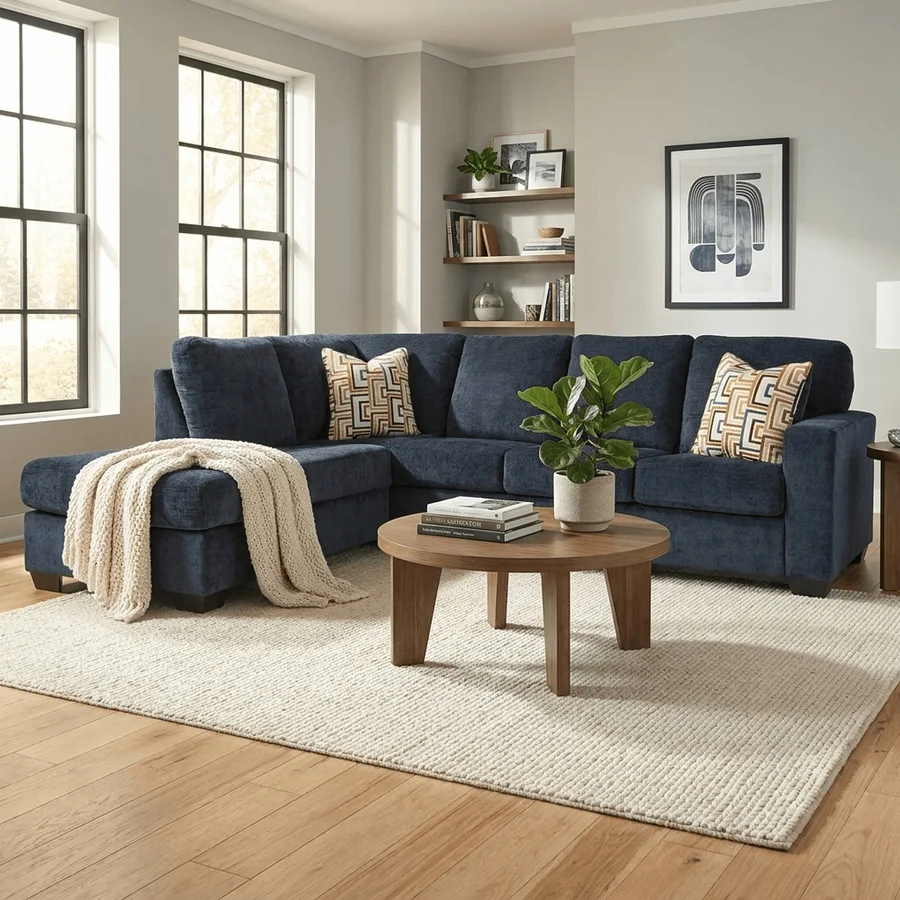
Two things make furniture its own problem. First, scale. A buyer needs to know whether the piece fits the room, so an image has to communicate size, not just shape. A bare packshot on white sells the form but hides the scale; a styled scene sells the scale but can hide the detail. You need both.
Second, material truth. Furniture is bought on texture: the weave of the fabric, the grain of the oak, the sheen of a powder-coated leg. If the image flattens those, the piece looks cheaper than it is and returns climb when the real thing arrives looking different. Good furniture imagery keeps the material honest while making it look its best. If the argument needs evidence, the product image conversion statistics cover what actually shifts buyer behaviour.
A strong furniture listing is never one photo. It is a small set, each answering a different buyer question:

The traditional path to a furniture catalog is brutal: move the piece into a studio or build a set around it, light it, shoot it, then repeat for every finish and every new SKU. For a brand with dozens of pieces in several fabrics each, that is weeks of logistics and a five-figure budget before a single listing goes live. The image half of the same listing is covered by the Amazon product photography software.
The AI path starts from a single clear photo of each piece. From there you generate the white-background hero, the styled room, the detail crops and the colorway set, and you keep them consistent across the whole collection. When you add a new fabric, you generate the variant rather than rebooking the set. See AI Product Photography Pricing for the plan math, or the full AI Product Photography Software feature set. Amazon draws those lines in different places, which the Amazon image requirements guide spells out field by field. See the full lineup on the AI furniture product photography page.
The fastest way to earn returns is an image that oversells. Keep these in mind so the picture matches the product that arrives:
ListingRVA AI is built around this. It reads your real piece, preserves the material and never invents on-image text, so the catalog stays true to the product. You can publish the finished images straight to your channels through our ecommerce marketplace integrations.
The most common mistake is a room that does not match the piece. A compact two-seater placed in a wide open-plan loft looks smaller than it is, and the buyer with a small apartment, the exact person it was designed for, scrolls past because the scene does not look like their home. Match the room to the buyer: compact pieces in compact rooms, outdoor furniture on a patio, a desk in a home office rather than a living room.
The second is distortion in the source photo. Shooting a sofa from close up with a wide lens stretches the arms and shrinks the back, and that warped shape carries straight into every generated scene. Step back, shoot from roughly seat height and keep the camera level, so the proportions in the hero match the piece that arrives at the buyer's door.
50 free credits, no credit card. White background, room scene and detail styles included.
Start free →Yes. The AI reads your real product photo and preserves the exact shape, upholstery, wood grain and finish, then places the piece into a clean catalog or styled room scene. Your real product stays the hero, never a generic stand-in.
A clean white-background hero for the marketplace main image, a styled room or lifestyle scene that shows scale and context, detail shots of the material and joinery, and a set of angles so buyers can judge the piece before they buy.
Pair a clean packshot with a styled room scene that places the piece against familiar references like a rug, a wall or a window, so scale reads instantly. Keep dimensions in the listing copy and add a dimension graphic for certainty.
A staged furniture shoot with a set, stylist and photographer runs into the hundreds or thousands per SKU because the pieces are bulky and hard to move. AI brings the same set of images to a few dollars per SKU and minutes per product, with new colorways generated on demand.
Yes. Generate a cohesive set across every piece and finish from one photo each, so the sofa, the armchair and the side table read as one collection instead of separate shoots.
ListingRVA AI now works inside Claude. Connect your workspace and ask Claude to generate listing copy and publish product images to your store, without leaving your editor. See the Claude connector →
Comments
No comments yet, be the first.
Leave a comment