
Beauty Product Photography: Texture, Shade Accuracy and Glass Reflections
June 25, 2026 · 8 min read · by Aashirvad Kumar
Your credits refresh every month for as long as ListingRVA AI exists. No renewals, no annual increases, nothing to cancel.
Available on select plans. No renewals, ever.
June 25, 2026 · 8 min read · by Aashirvad Kumar
Beauty is the most visual category in ecommerce. A shopper cannot smell the serum or feel the cream, so the images do the entire job of convincing them that a $48 bottle is worth it. That bar is brutal: glossy magazine-grade beauty photography sets the expectation, and a flat phone snapshot of your bottle reads as cheap before anyone reads a word. The traditional fix, a styled shoot per SKU, is expensive and slow, and it has to be repeated for every new shade.
AI beauty product photography closes that gap. You shoot the product once, then generate a premium hero, texture and swatch close-ups, a full shade lineup and a clean white-background image in minutes, on AI product photography that preserves your real bottle, label and exact shade instead of inventing a different one.
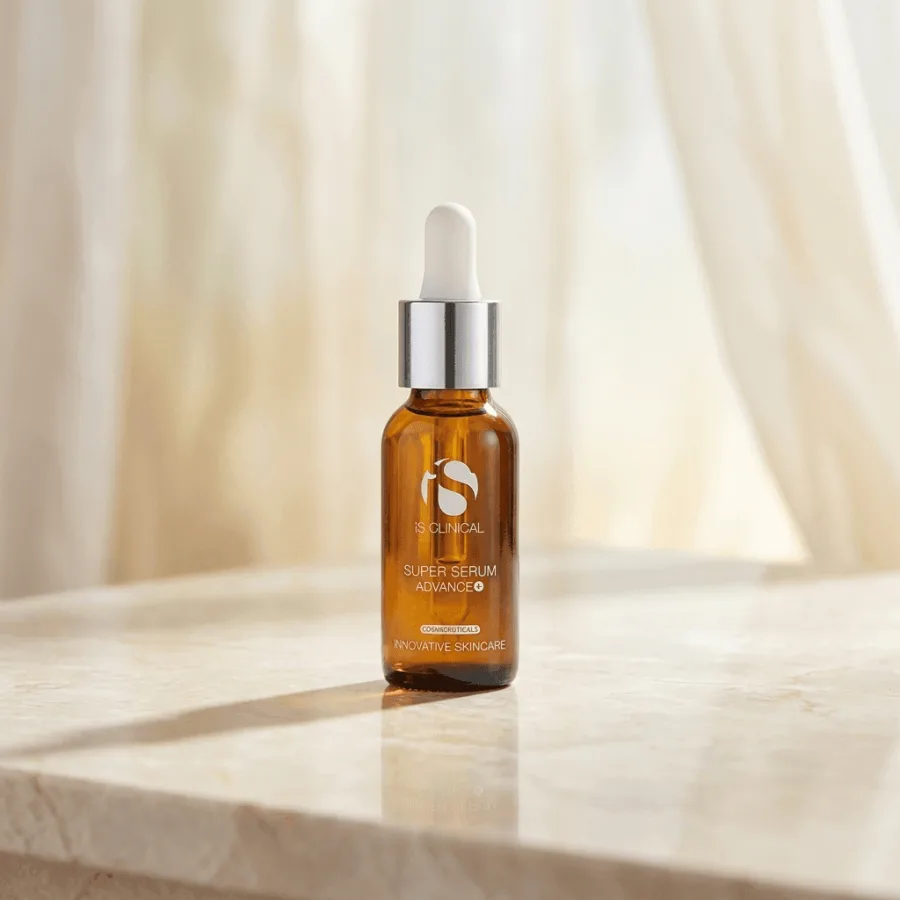
Three things make beauty harder than a generic product shoot. First, the hero has to earn trust on its own. Beauty buyers are sceptical and brand-loyal, and the hero image is where a new shopper decides whether you look like a real premium brand or a dropshipped relabel. Second, color is the product. A foundation, a lipstick, a tinted serum lives or dies on whether the shade on screen matches what arrives, so the image cannot drift the color even slightly. Third, the packaging is often glass: clear serum bottles, droppers, frosted jars, pump bottles. Reflective and transparent surfaces are the single hardest thing to light in a real studio. The product image conversion statistics put a number on how much of that decision the images are really carrying.
So a strong beauty image has to look editorial, hold the exact shade, and tame difficult packaging, all at once.
A high-converting beauty listing is never one photo. It is a small set, each answering a different buyer question:
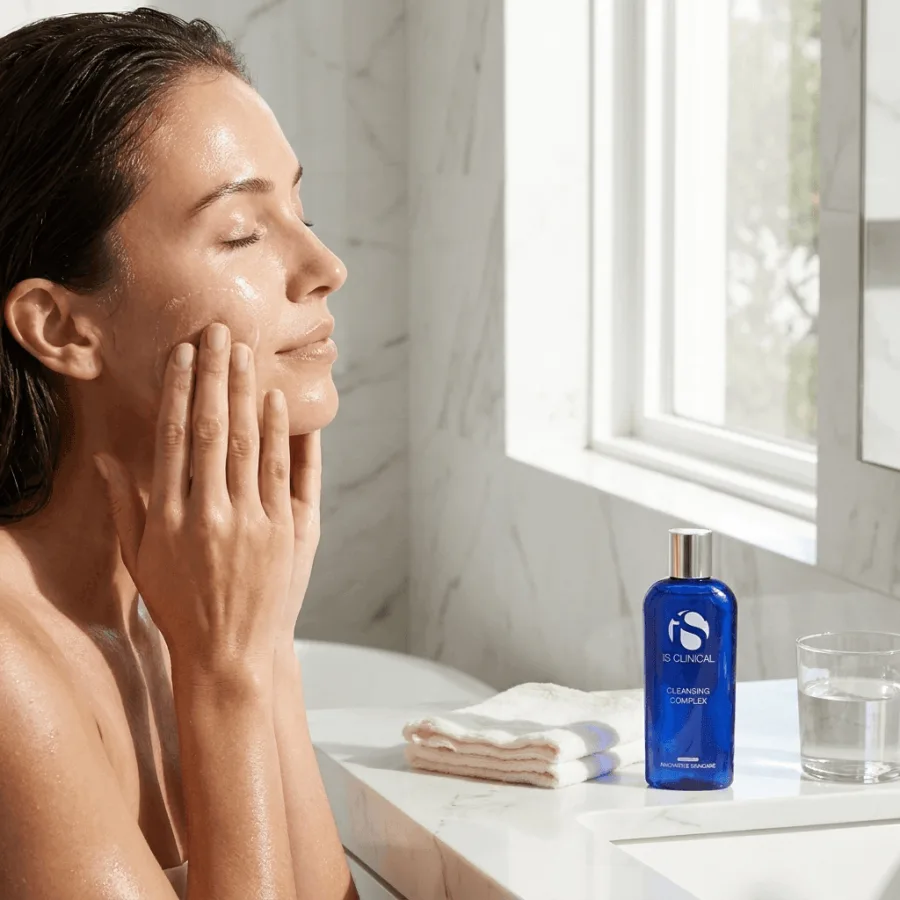
Skincare is where the before/after format earns its reputation as the highest-converting image type. A split-frame that contrasts the concern on the left with the result on the right, fine lines becoming smoother texture, uneven tone becoming an even complexion, turns a spec sheet into a reason to buy. It is the natural home of before/after, far more than a rigid product like a watch or a tool.
ListingRVA AI drafts the before and after copy from your product and renders the whole split-frame from a single photo, keeping your real bottle and label as the hero. The example below was generated end to end, with no studio, model or designer. Keep the language to compliant cosmetic claims and always review before publishing. Amazon draws those lines in different places, which the Amazon image requirements guide spells out field by field.

Ask any product photographer what they dread and clear glass is near the top. A serum bottle is transparent, so it picks up the whole room: the softbox, the ceiling, the photographer's own reflection. A dropper has a glass pipette and a rubber bulb that catch hard highlights. A frosted jar diffuses light unevenly. Getting a clean, controlled look on this kind of packaging traditionally means a careful lighting rig, flags, gradient backdrops and a lot of retouching, which is exactly why beauty shoots are expensive.
This is where AI quietly shines. Because the model controls the lighting in the scene, it can render clean, even highlights on glass and a controlled reflection on a clear bottle without you owning a single softbox. A dropper serum that would have taken a real studio an hour to light well can be placed into a premium scene with believable glass and liquid in minutes, while keeping your actual bottle shape and label.
Shade ranges are where beauty brands lose the most time and money. A foundation in twelve shades, a lipstick in eight, a tinted moisturizer in six: shot traditionally, that is dozens of nearly identical setups, and the lighting always drifts a little between them so the lineup looks stitched together.
Generating the range from your photos keeps the angle, lighting and styling identical across every shade, so the full foundation or lipstick lineup reads as one deliberate collection. When you launch a new shade, you add one image rather than booking another shoot. The discipline that matters here is fidelity: the AI should preserve each variant's real color exactly, so what a buyer sees is the shade that ships.
The fear with AI in beauty is reasonable: nobody wants a tool that invents a prettier bottle or shifts a shade. ListingRVA AI is built the opposite way. It reads your real product photo and preserves the bottle, dropper, jar, label and exact shade, then changes only the scene and lighting around it. Your actual packaging stays the hero. It also never fabricates on-image text, claims, badges or numbers; it renders only what you provide and what is physically on your label. For a category where the wrong claim can suppress a listing, that restraint is a feature.
Beauty marketing lives on a regulatory line, and image text crosses it easily. A cosmetic is sold on how it makes skin look and feel; the moment a claim says a product changes the structure or function of the body, it reads as a drug claim and invites trouble. Keep these in mind for anything on the image or in the copy:
ListingRVA AI never invents on-image text and applies marketplace rules as it generates, so the easy mistakes are avoided before you reach review.
A styled beauty shoot, with a photographer, a set, props, swatches on skin and the retouching that glass and color always demand, runs into the hundreds of dollars per SKU, and every new shade means booking it again. For a brand with a dozen products and several shades each, that is thousands of dollars and weeks of lead time before a single product is live.
AI product photography brings the same set of images to a few dollars per SKU and minutes per product, with unlimited variants when you add a shade. See AI Product Photography Pricing for the plan math, or the full AI Product Photography Software feature set.
50 free credits, no credit card. Premium, texture and lifestyle styles included.
Start free →Yes. The AI reads your real product photo and preserves the bottle, dropper, label and exact shade, then places it into a premium scene. Your actual packaging and color stay the hero, never a generic stand-in.
Yes. Glass serums, droppers and clear bottles are the hardest things to shoot traditionally because of reflections and highlights. Because the model controls the lighting in the scene, it renders clean, even highlights on transparent and reflective packaging without a full studio lighting setup.
Keep image text and copy to compliant cosmetic language such as hydrates, smooths the look of fine lines, or visibly brightens. Avoid medical and drug claims that say a product treats, cures or alters the structure of skin, and review every image before publishing. ListingRVA AI never invents on-image text and applies marketplace rules as it generates.
Yes. Generate a cohesive set across every foundation shade, lipstick or variant from your photos, so the full range reads as one brand instead of separate shoots with mismatched lighting. See the full set on the AI beauty product photography page.
A styled beauty shoot with a photographer, set and retouching runs hundreds of dollars per SKU. AI brings it to a few dollars per SKU and minutes per product, with unlimited variants when you add a new shade.
ListingRVA AI now works inside Claude. Connect your workspace and ask Claude to generate listing copy and publish product images to your store, without leaving your editor. See the Claude connector →
Comments
No comments yet, be the first.
Leave a comment